
Managed real-world data collection
manudata.
Real people. Real tasks. Data for real-world AI.
From cutting vegetables and baking bread to aligning wheels, assembling scooters and laying tiles — tell us what your model needs to see. We find the right people, manage the work and deliver the captured data.
Physical tasks
Recorded in real environments
Same operators
Across days, weeks or months
Managed end-to-end
Recruitment through delivery
Pilot first
Scale once the protocol holds
Tell us what data you need. We handle the rest.
You specify the environment, the activity, the recording requirements, the number of hours, the project duration and the quality standards.
We take it from there — sourcing suitable human operators, training them on your protocol, scheduling and supervising sessions, recording, running quality review and delivering the structured dataset.
Define
Recruit
Train
Execute
Quality Check
Deliver
“Not every training dataset can be created from behind a laptop.”
Conventional labelling vendors annotate data that already exists. We produce data that doesn’t exist yet — the kind that requires physical human execution in a real environment — whether that means a kitchen, workshop, building site or warehouse. We capture people working with tools, ingredients, materials and objects.


As varied as the work itself
These are examples, not a fixed catalogue. If the task can be performed by a trained person, it can be built into a project.
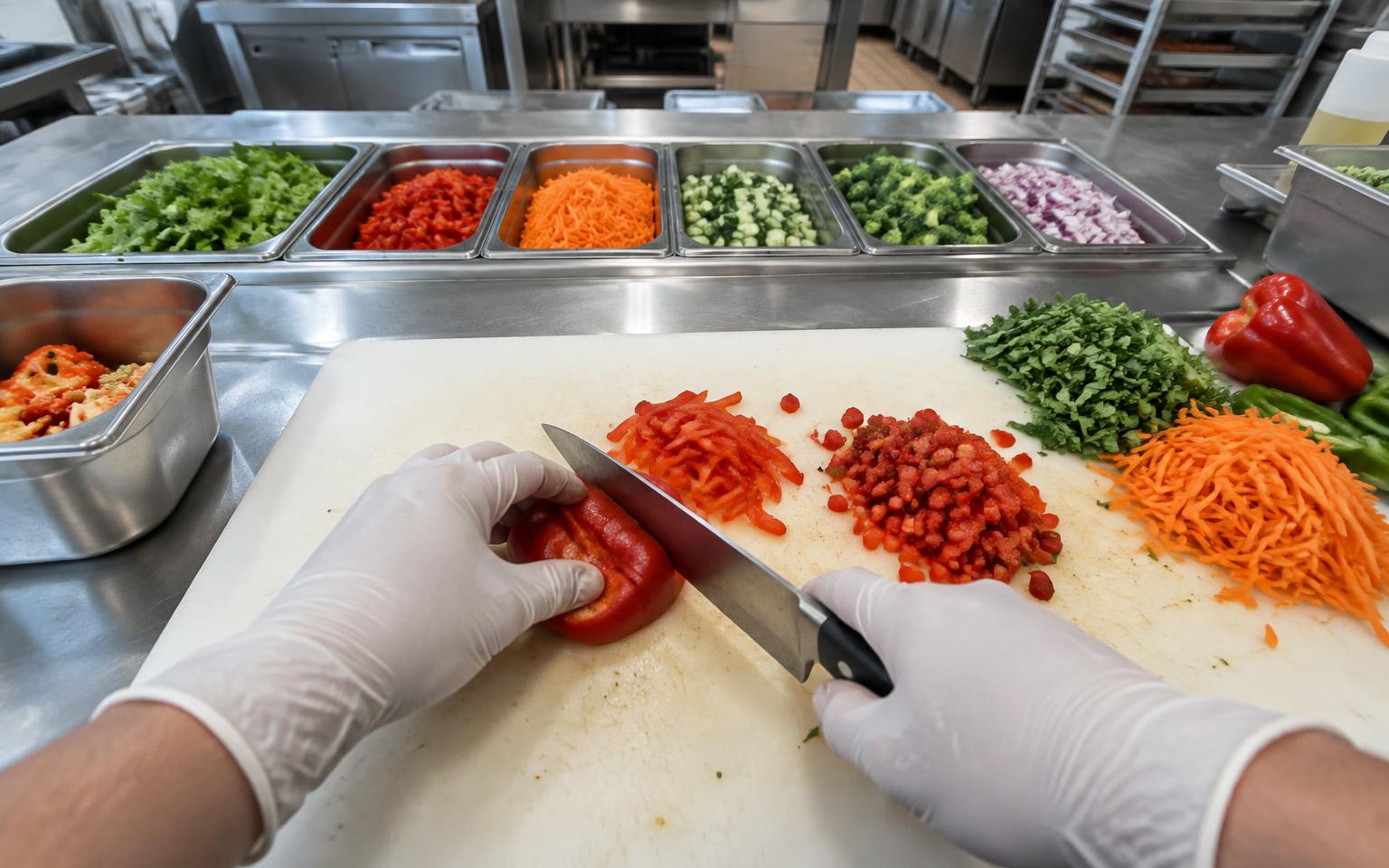
Food Preparation & Bakery
Cutting vegetables, preparing ingredients, shaping dough, baking and packing food in working kitchens.
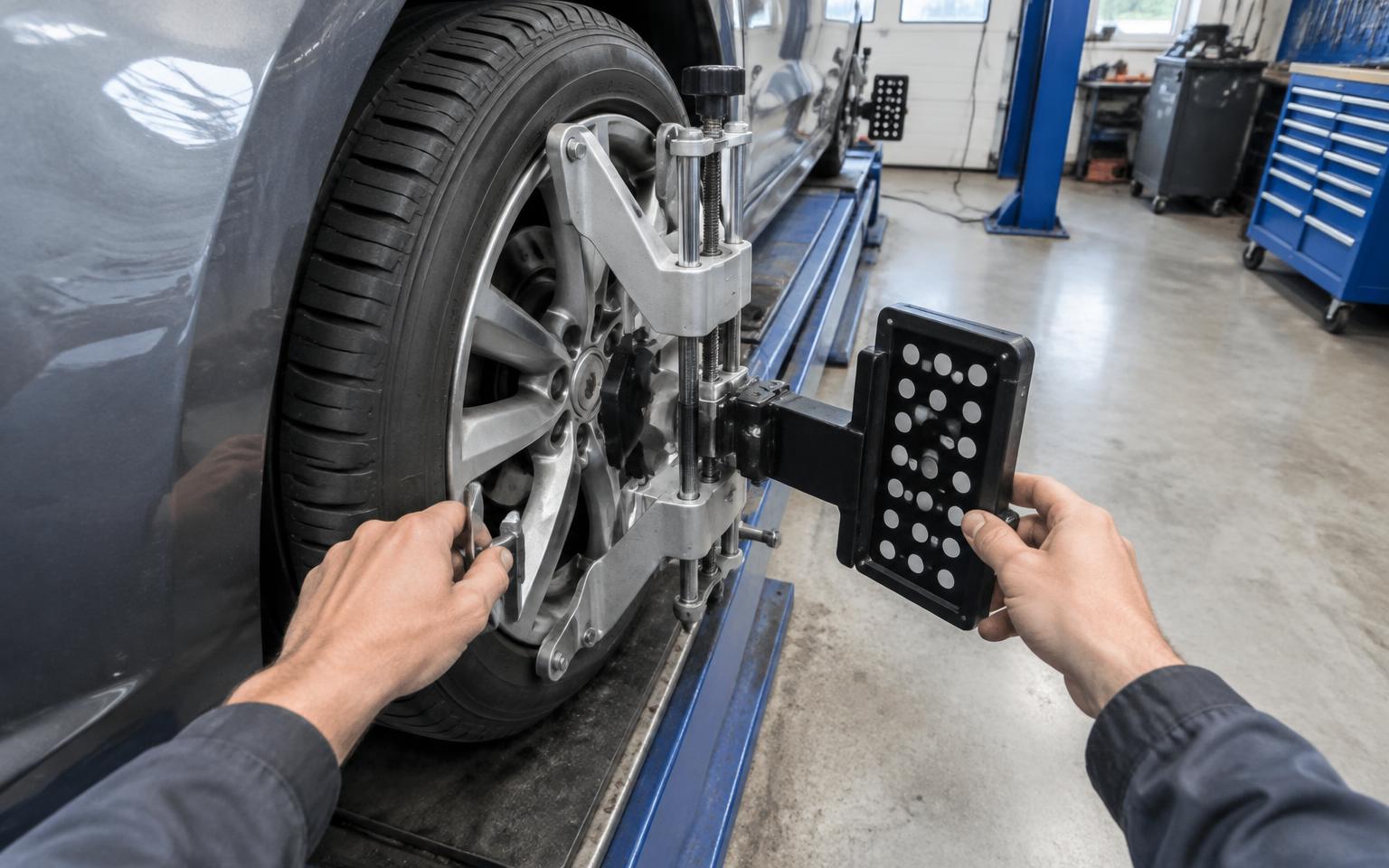
Vehicle Service
Wheel alignment, inspection, maintenance and repeatable service procedures in real workshops.
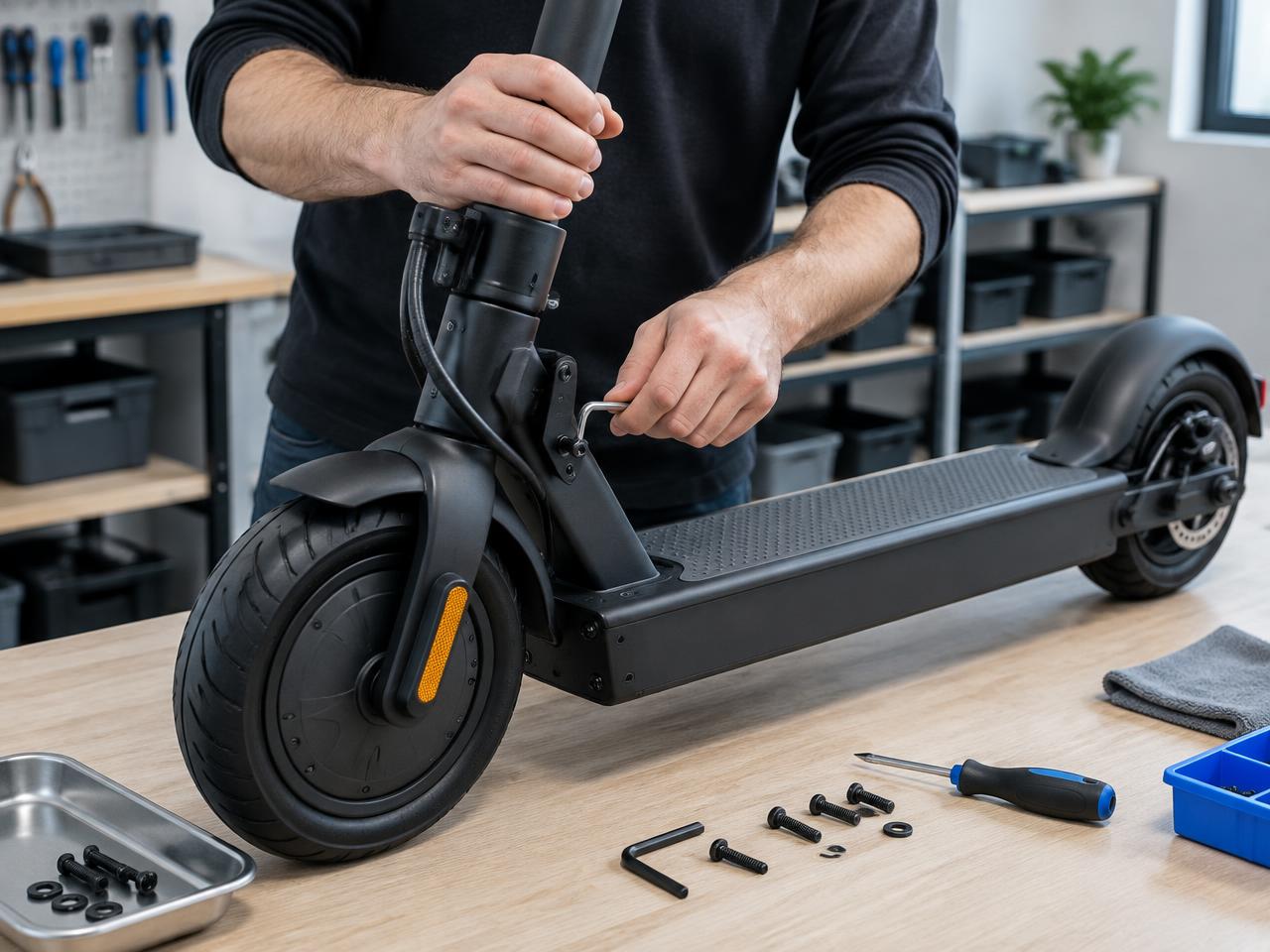
Product Assembly
Scooter assembly, component fitting, tool use, inspection and multi-step build processes.

Construction & Trades
Tiling, paving, surface preparation and skilled work in changing indoor and outdoor settings.

Warehousing & Handling
Picking, packing, sorting, loading and moving materials through everyday operations.
Your Specific Task
A custom collection programme for any other human task, setting or sequence your model needs to learn.
The same trained operators, over months.
We are not sourcing anonymous crowds for isolated microtasks. We maintain consistent, trained cohorts, so you can collect longitudinal data from the same individuals across days, weeks or months.
One operator can cover multiple related tasks. For smaller workflows, a single person completes the entire process end-to-end instead of the process being split across strangers. For larger programmes, we build dedicated teams.
Configure the operation around the dataset.
Every project is assembled from these variables. Nothing here is fixed — the combination is defined by what your models need.
Environment
People
Duration
Task structure
Volume
Capture method
The operational layer behind every recorded hour.
Training data is only useful if sessions are comparable. Our operations layer helps keep execution consistent across operators, settings and weeks.
Protocol adherence
Every session follows the same written task instruction set.
Consistency across sessions
Same operators, same setup, same capture parameters.
Traceability
Sessions are logged against operator, task, site and date.
Controlled conditions
Where the project requires it, environments are fixed and repeatable.
Quality chain
- 1
Standardised task instructions
- 2
Operator training
- 3
Calibration
- 4
Supervised execution
- 5
Data validation
- 6
Rejected-session replacement
- 7
Delivery
Client requirement
500 hours of footage showing bakery staff preparing dough, shaping loaves and loading trays across repeatable production shifts.
Execution
- Recruit people with relevant bakery experience
- Train them on the recording protocol and task sequence
- Cover preparation, shaping and tray loading per operator
- Maintain the same operator cohort throughout
- Record sessions over several weeks on a fixed schedule
- QA every session; re-run anything that fails review
- Deliver a structured, labelled dataset
500
Hours delivered
Multi-step
Task structure
Consistent
Operator cohort
End-to-end
Managed operation
Illustrative project structure shown for clarity, not a published case study.
Have a data requirement? Start with a pilot.
You don’t need to commission a thousand-hour programme to begin. Describe the task and we’ll scope a small, measurable pilot — then scale the same operator cohort once the protocol proves out.
- What needs to be performed
- Where it needs to happen
- What needs to be captured
- Approximate number of hours
- Expected project duration